
A different world.
A deeper kind of escape.
Enjoy time beneath the surface and a comfortable coastal stay. We coordinate your diving and mainland travel around your experience, with space for rest and onward travel.
Plan My Escape →Explore your dive escape ↓Costa Rica scuba diving trips.
Comfort above the surface.
Choose around your certification, recent diving, and preferred coastal base. Your dive team confirms suitable sites and conditions; we bring the wider trip together.
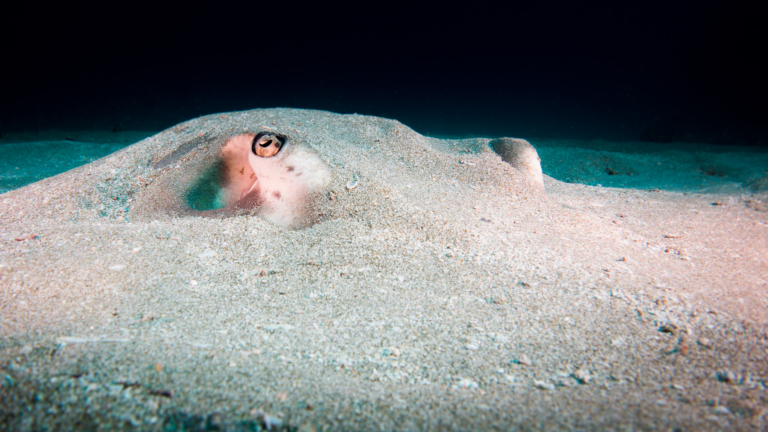
Caño Island
Trip shape: Reserve a full day, with timing dependent on your mainland departure point. Ask about certified dives or an introductory program at a suitable site.
Make Caño Island’s boat-access dive sites part of a southern Pacific nature escape, with your coastal stay and departure arranged around the dive day.
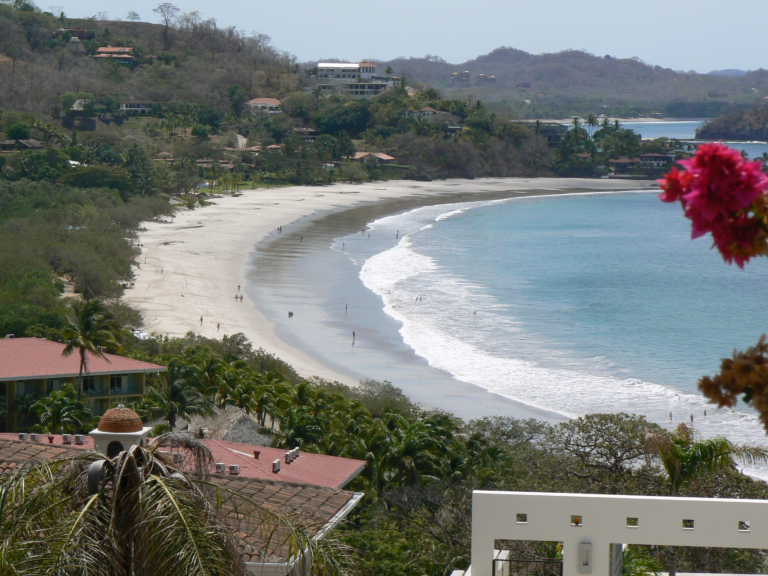
Catalina Islands
Trip shape: Allow a half to full day including transfers. Certified outings and selected introductory programs depend on the dive team, site, and conditions.
Pair an offshore dive outing with a Guanacaste coastal stay, leaving time to enjoy the beach after your return.
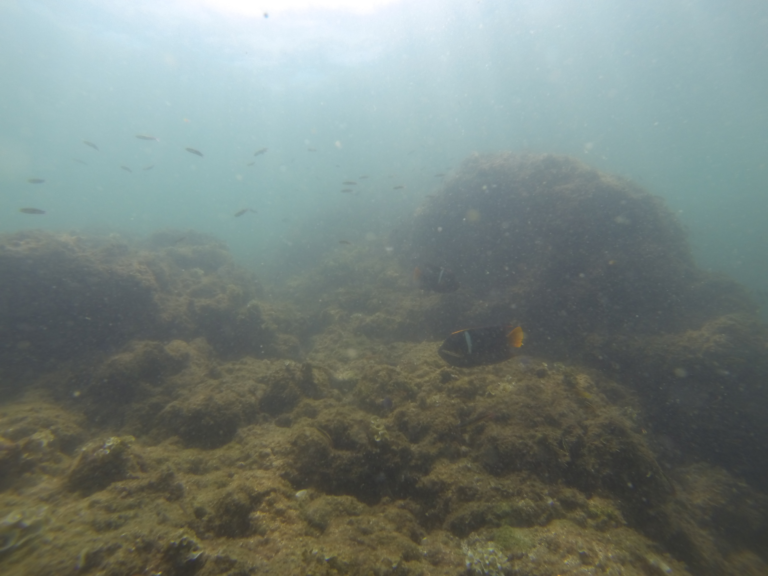
Tortuga Island
Trip shape: Reserve a full day for the island outing; departure point and transport determine the schedule. Ask about diving and snorkeling options for your group.
Add an island day in the Gulf of Nicoya. We help match the available scuba or snorkeling program to your group.
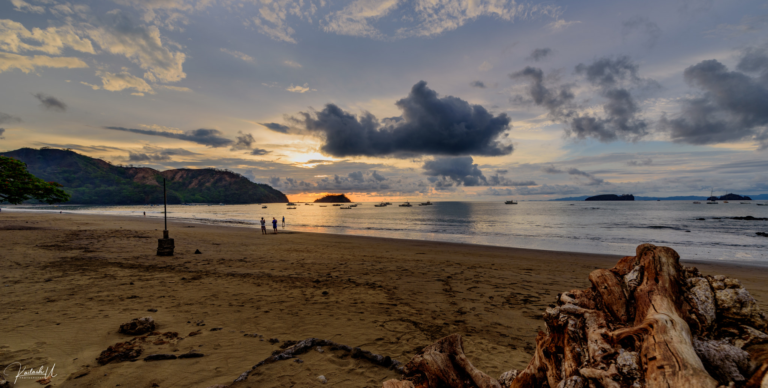
Coco & Gulf of Papagayo
Use a Guanacaste coastal base for local rocky-reef and island dives, with an appropriate refresher or introduction when needed.

Bat Islands / Murciélago
Consider a more demanding offshore day for experienced divers, with possible bull shark encounters and no guaranteed wildlife sighting.
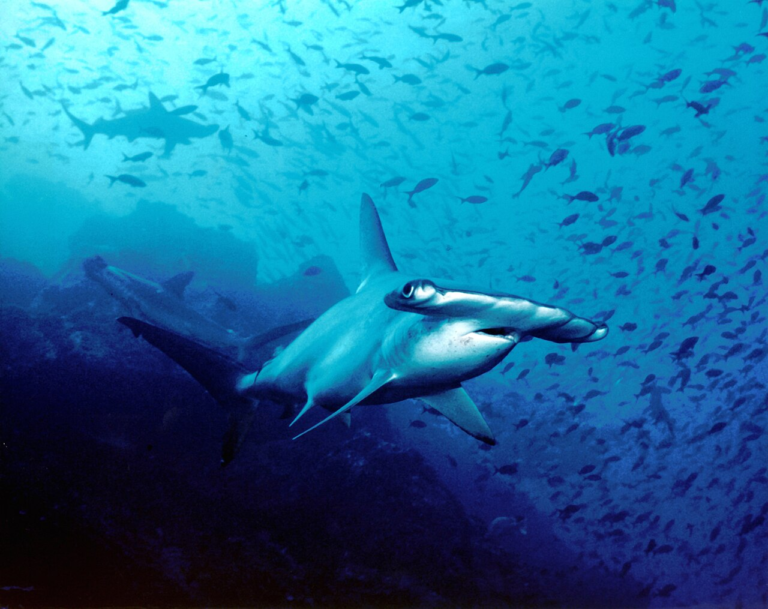
Cocos Island
Planning a specialist Cocos liveaboard? We arrange your mainland hotels, transfers, and travel buffers before or after the expedition.
Match the dive trip to your experience
A good dive begins
with the right fit.
Already certified? Share your certification level, recent diving, and the kind of experience you enjoy. Returning after a break? Tell us so we can discuss a refresher before your planned dives.
New to scuba? Ask about an instructor-led introductory program. Eligibility, medical screening, and suitable conditions must be confirmed; an introductory experience is not the same as certification.
A clear plan.
A trip that feels like you.
Tell us your vision.
Share your certification, last dive, dates, and travel plans.
Make it yours.
Review suitable dive arrangements, coastal stays, and travel buffers.
Enjoy your escape.
Arrive with time for the water, rest, and your companions.
Plan well.
Be present.
Bring the right details.
Share your certification level, approximate logged dives, date of your last dive, and experience with currents and boat entries. Ask whether a refresher or check dive is needed before reserving offshore sites.
Leave room after diving.
Share flight times and any mountain drives, hikes, or inland transfers before booking dive days. Plan suitable surface intervals with your dive professional using DAN guidance and your dive computer; a cleared no-fly timer alone does not assess every mountain route.
A clear proposal.
We confirm the planned dives, equipment, boat arrangements, transfers, and any entry fees or meals included in your selected experience. Private arrangements are quoted separately when available.
Expect nature, not guarantees.
Visibility, currents, sea conditions, and wildlife encounters vary. Your dive team selects appropriate sites and may adjust plans. Ask about expected depth, current, entries, and boat recovery before committing. Stay within your training and comfort; wildlife sightings are never guaranteed.
Good fit. Fewer surprises.
Send your height, weight, and shoe size when requesting rental gear. Ask whether the quote includes a wetsuit, mask, fins, BCD, regulator, dive computer, tanks, and weights. Confirm suit thickness with the dive team for your dates. If bringing your own kit, check airline baggage limits, servicing, and space for rinsing and drying.
Make the journey comfortable.
Confirm the meeting point, boarding method, boat facilities, drinking water, and meal arrangements. Bring a dry bag, secure sun protection, and a light layer for the return. Discuss boarding needs and motion sickness early. Ask a clinician familiar with dive medicine about medication suitability, and do not try a new medication for the first time on a dive.
A dive trip that
fits your life.
Explore practical dive-trip planning
Use these starting points to tell us what appeals to you. Seasons describe usual patterns, not guaranteed visibility, wildlife, or departures.
| Dive area | Planning base | Seasonal guide |
|---|---|---|
| Caño Island | Drake Bay / Osa | December–February often favors visibility; late wet-season conditions vary. |
| Catalina Islands | Flamingo / Tamarindo | January–March is often cited for manta encounters; expect cooler water and potentially stronger conditions. |
| Coco / Papagayo | Playas del Coco | Year-round options; May–November often brings warmer, calmer conditions. |
| Bat Islands | Playas del Coco | Usually mid-May–early November; crossings remain weather-dependent. |
| Tortuga Island | Puntarenas / Nicoya Peninsula | Year-round possibilities; visibility and dive availability vary. |
| Cocos Island | Vessel-designated port | Choose the liveaboard’s season first; we arrange the mainland portion. |
Start with your experience.
First time: Request an introductory program; it is separate from certified diving.
Newly certified or returning: Ask about sheltered Papagayo sites, suitable Caño sites, or a refresher. The operator must match the specific site and conditions to your skills.
Experienced: Catalina sites vary in difficulty; Bat Islands require recent experience and comfort in current. Confirm the operator’s certification and logged-dive requirements. Cocos requires separate specialist planning.
Leave room to enjoy it.
A taste of diving: Consider 3–4 nights at one coastal base, with 1–2 dive days.
Diving plus discovery: Consider 7–10 nights overall, with 2–3 dive days and time inland.
Two dive regions: Consider 12–16 nights, with 3–5 dive days and unhurried travel between bases.
These are suggested starting points, not fixed packages or confirmed schedules. Courses, weather buffers, and required intervals before flights or mountain travel can change the length. Cocos follows the separately booked vessel itinerary.
Choose the base before the hotel.
Ask us to confirm the actual marina or beach pickup before choosing your stay. A nearby town name does not guarantee a short hotel transfer. Arrive at your coastal base before an early dive departure, and leave travel days between distant regions.
For Drake Bay, confirm whether arrival involves road, boat, or a domestic flight, plus baggage limits and boarding access. For Tortuga, confirm the departure port and whether scuba is included in the island outing. Share international flights before we finalize the route.
Make time around the dives.
Confirm pickup and estimated return times, the number of dives, and time between dives before booking another activity. Ask your hotel about early breakfast and a suitable place to rinse and dry gear. If traveling with non-divers, confirm their separate plans; snorkeling or passenger places on the dive boat are not automatic.
Help Me Plan My Dive Trip →A little clarity.
A better escape.
Do I need to be certified?
Bring proof of certification for certified-diver outings. New divers can ask about an instructor-led introductory program or certification course, confirmed in advance. An introduction does not confer certification or qualify you for every site. Bat Islands outings are for experienced divers; the dive team confirms the required certification, recent experience, and comfort in current. Age limits depend on the program and operator.
How much time should we allow?
The full outing depends on the departure point, boat journey, number of dives, and briefing. We’ll confirm the expected hotel-to-hotel timing. Courses and refreshers may need additional time.
Can non-divers join the trip?
Yes, we can plan a shared vacation with different daytime experiences. Boat participation and snorkeling depend on the selected outing; they are not guaranteed at every dive site.
What should we pack?
Bring your certification record, recent dive history, swimwear, towel, dry clothes, sun protection, and a dry bag. Carry the identification specified in your trip instructions; Caño Island requires identification for entry. Bring drinking water in a reusable bottle. Confirm rental gear, sizing, and the boat’s equipment list before travel.
What about medical requirements and dive insurance?
Complete the program’s medical questionnaire before travel. If it requires physician approval, obtain that clearance before participating; your concierge cannot provide medical clearance. Confirm any mandatory insurance with the selected dive team or vessel. Check that your policy covers your planned scuba activities, depth, emergency treatment, and evacuation; ordinary travel insurance may exclude diving. Ask your insurer to confirm coverage for the itinerary in writing.
What happens if conditions change?
The dive team makes the final decision on departure, site suitability, and participation. Weather, sea conditions, or park restrictions may change or cancel an outing. Rescheduling, alternative activities, and any refund depend on the terms provided with your quotation; a full refund is not automatically guaranteed.
What protected-area rules apply?
Caño Island visits require advance reservation and payment, identification, and an appropriately registered guide. Diving and snorkeling are restricted to authorized areas and visitor limits. Single-use plastics are prohibited; do not feed, touch, or harass wildlife, and do not plan a picnic in the reserve. Bat Islands marine visits also require authorized access and designated dive sites. We confirm the applicable permissions, entry fees, landing arrangements, and current restrictions for your booked outing.
Can we fly or visit the mountains after diving?
Plan this before booking flights or an inland transfer. DAN recommends at least 12 hours before flying after a single no-decompression dive, and at least 18 hours after multiple dives in a day or diving on several days, within no-decompression limits. These are minimum recommendations, not guarantees; longer intervals reduce risk, and decompression diving needs a longer interval. Mountain travel also needs planning with your dive professional. Follow the more conservative guidance for your actual dives, dive computer, and itinerary.
Is the Cocos Island liveaboard included?
No. Our featured Cocos Island service covers mainland hotels, transfers, and travel before or after your expedition. The liveaboard and its dives are separately arranged. Confirm vessel requirements, park permissions, fees, and insurance directly with the liveaboard before committing to travel.
More time in the water.
Less time coordinating.
Share your dive experience and the escape you have in mind. We’ll help shape the coastal stay and travel around it. Explore Costa Rica beach stays or rainforest and wildlife experiences for time away from the dive boat.
Plan My Escape →


